Why I Birdwatch!
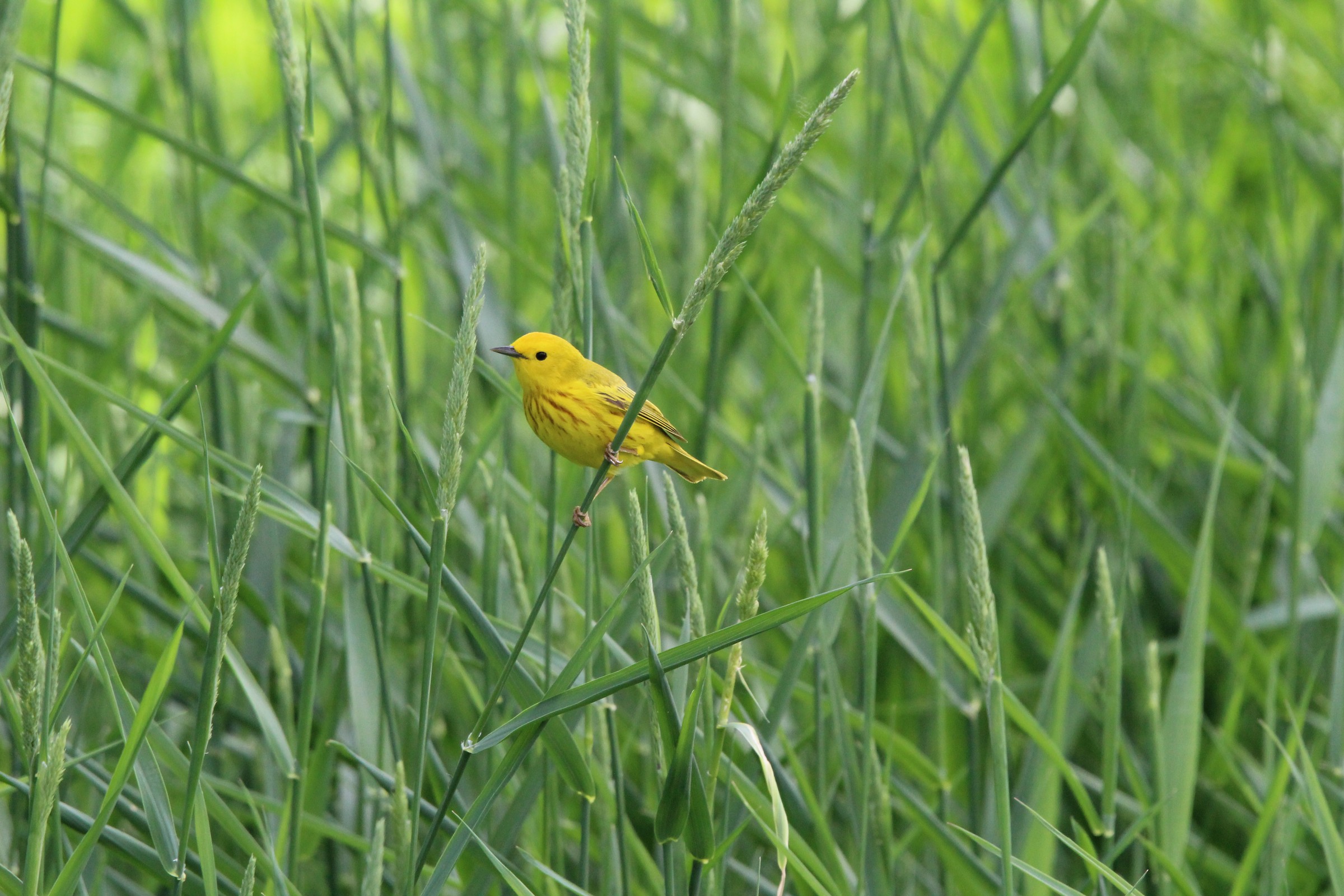
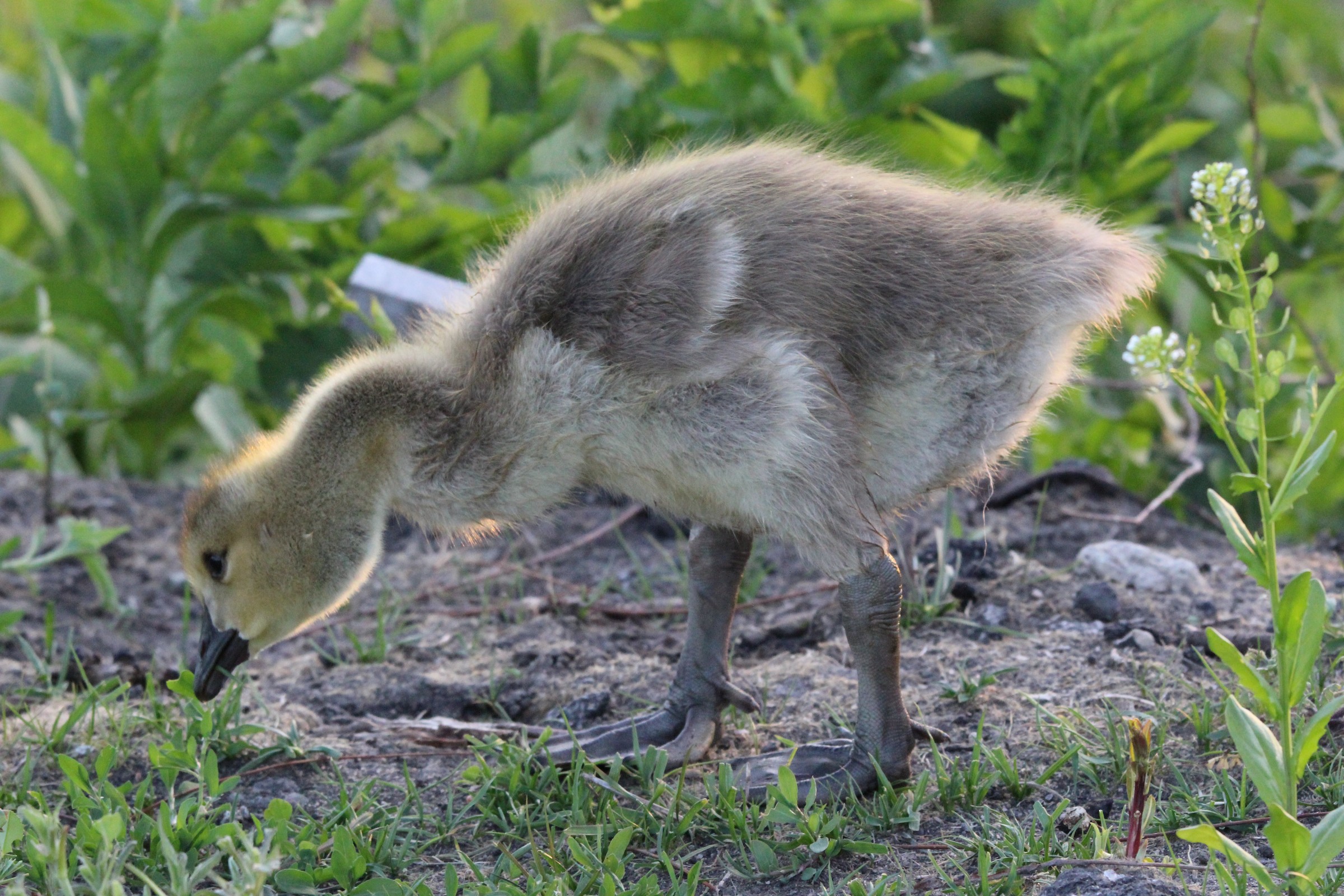
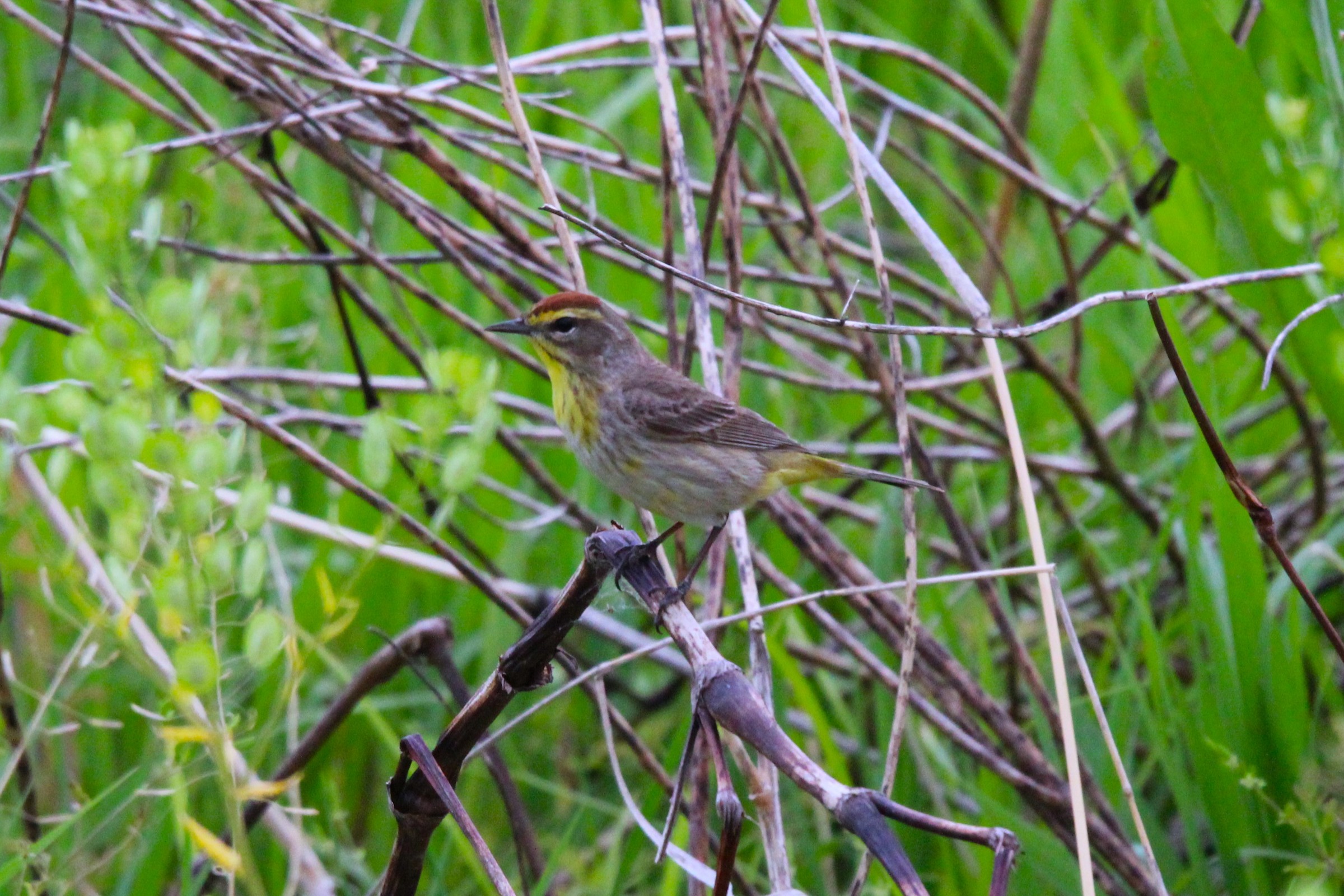
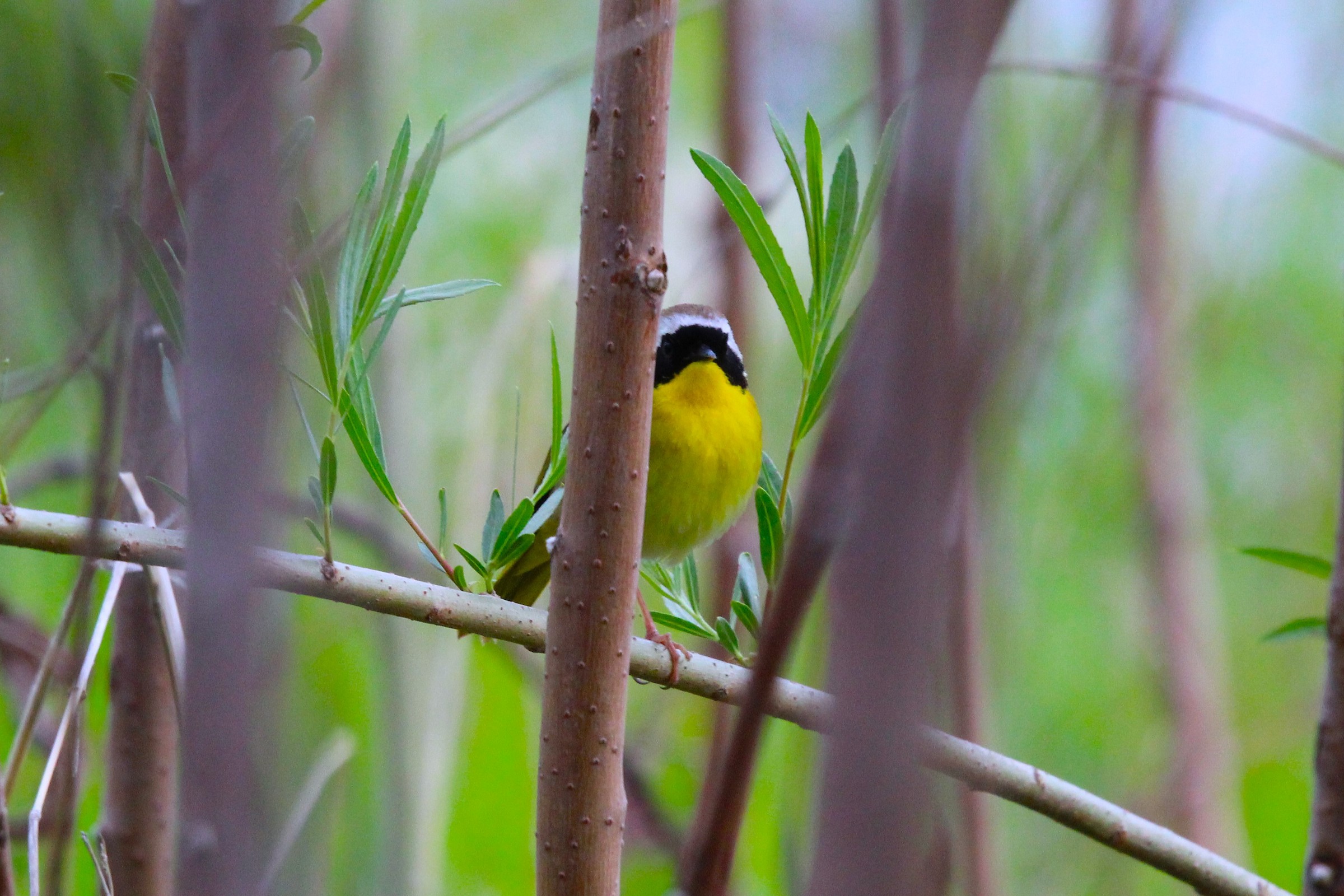
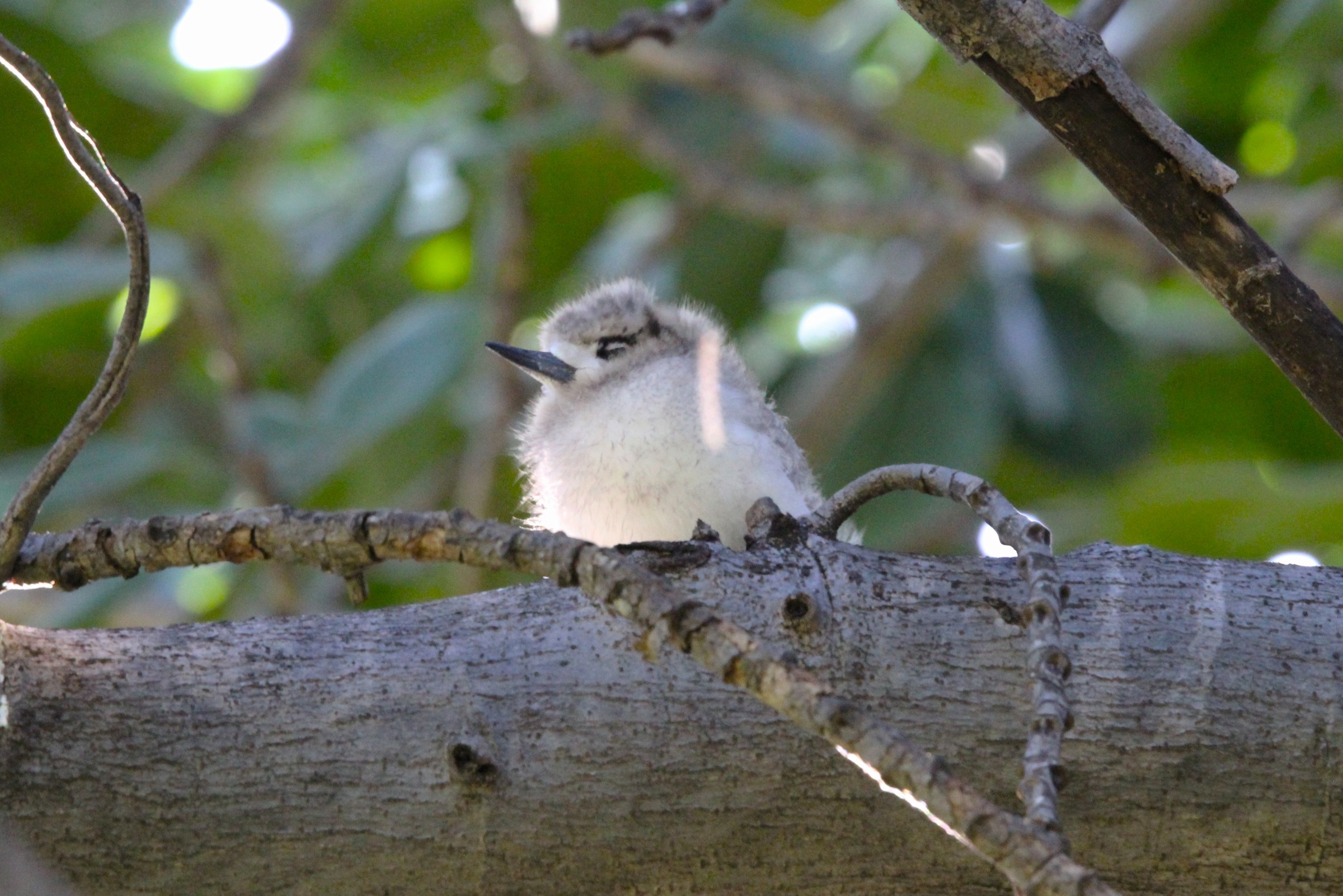
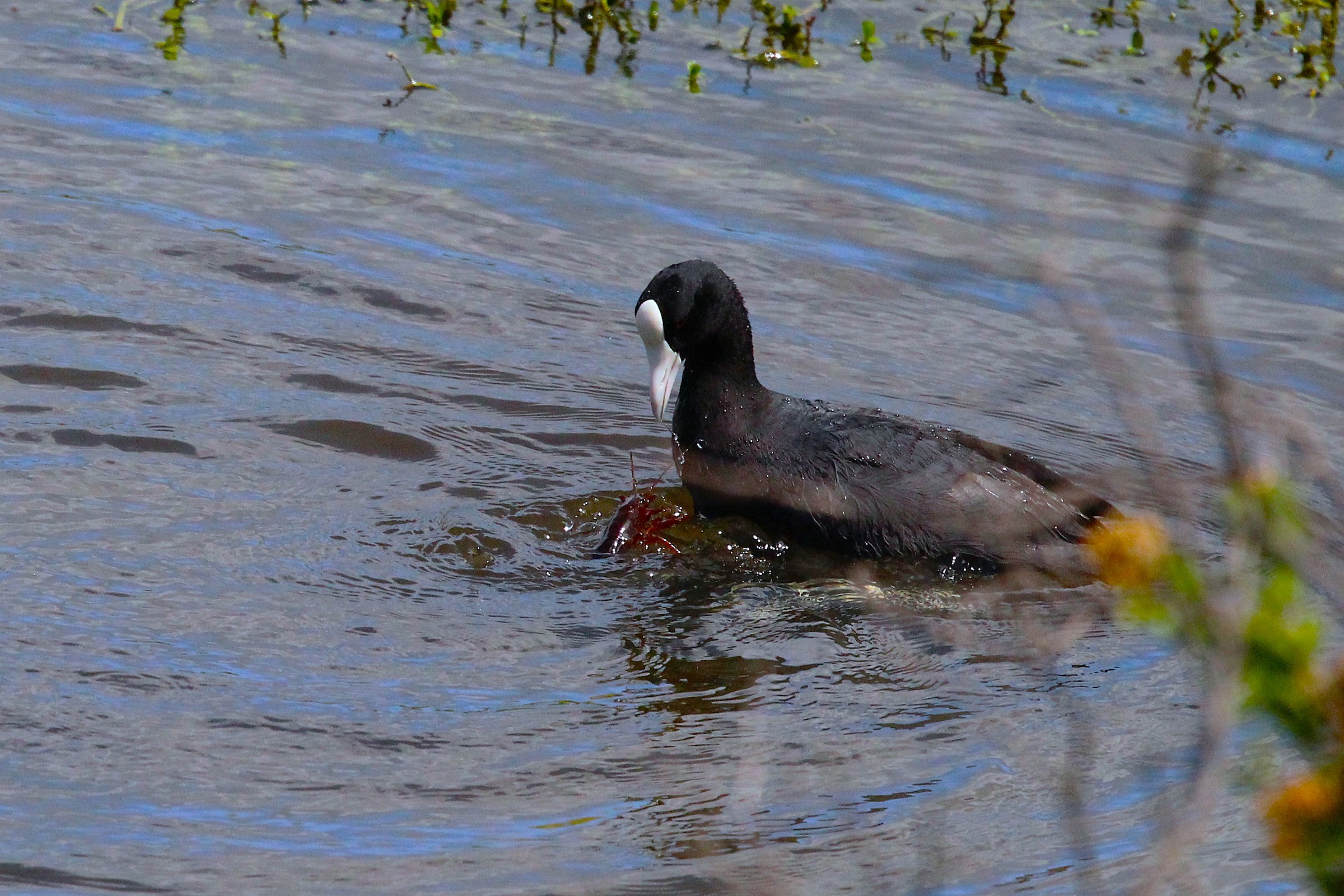
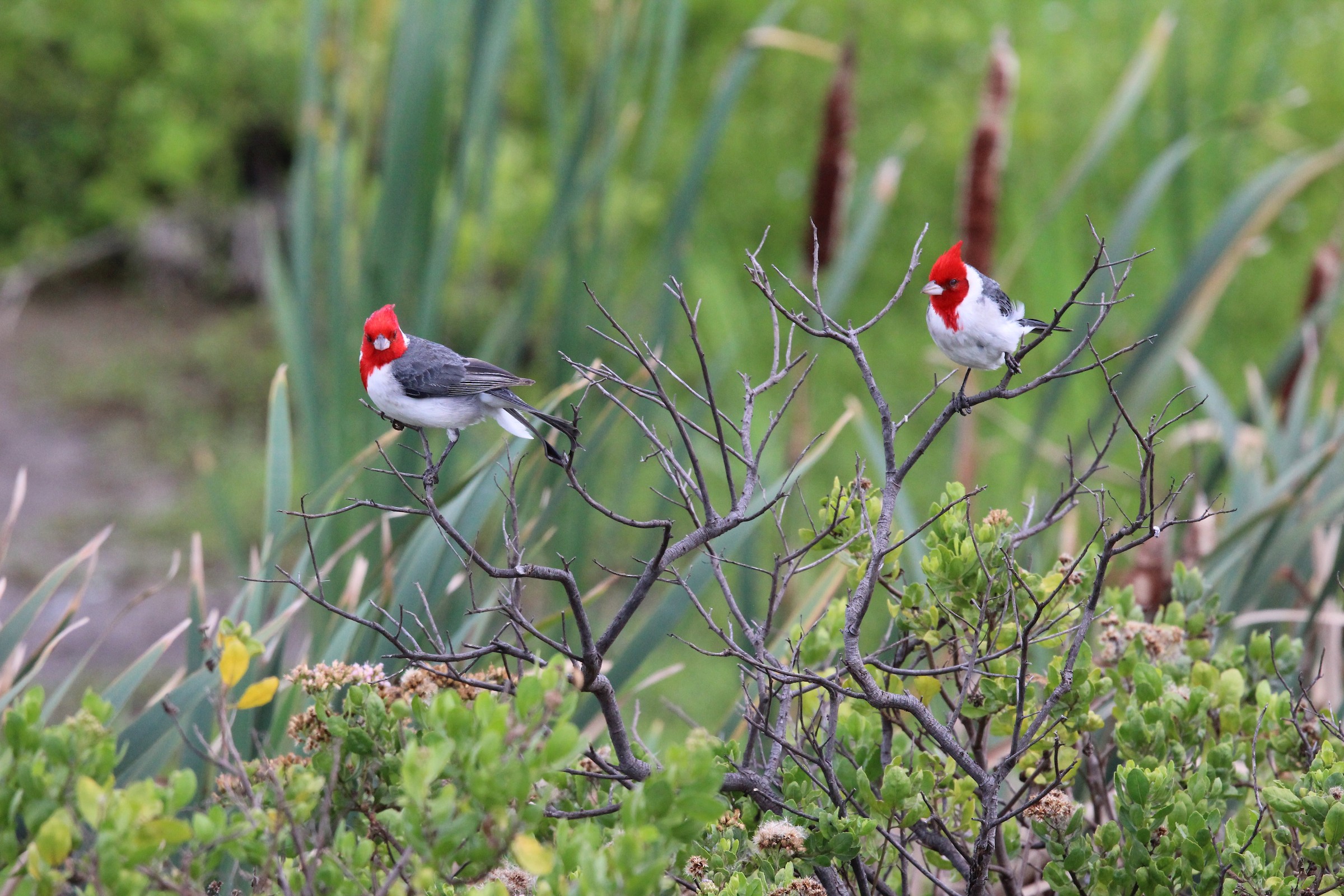
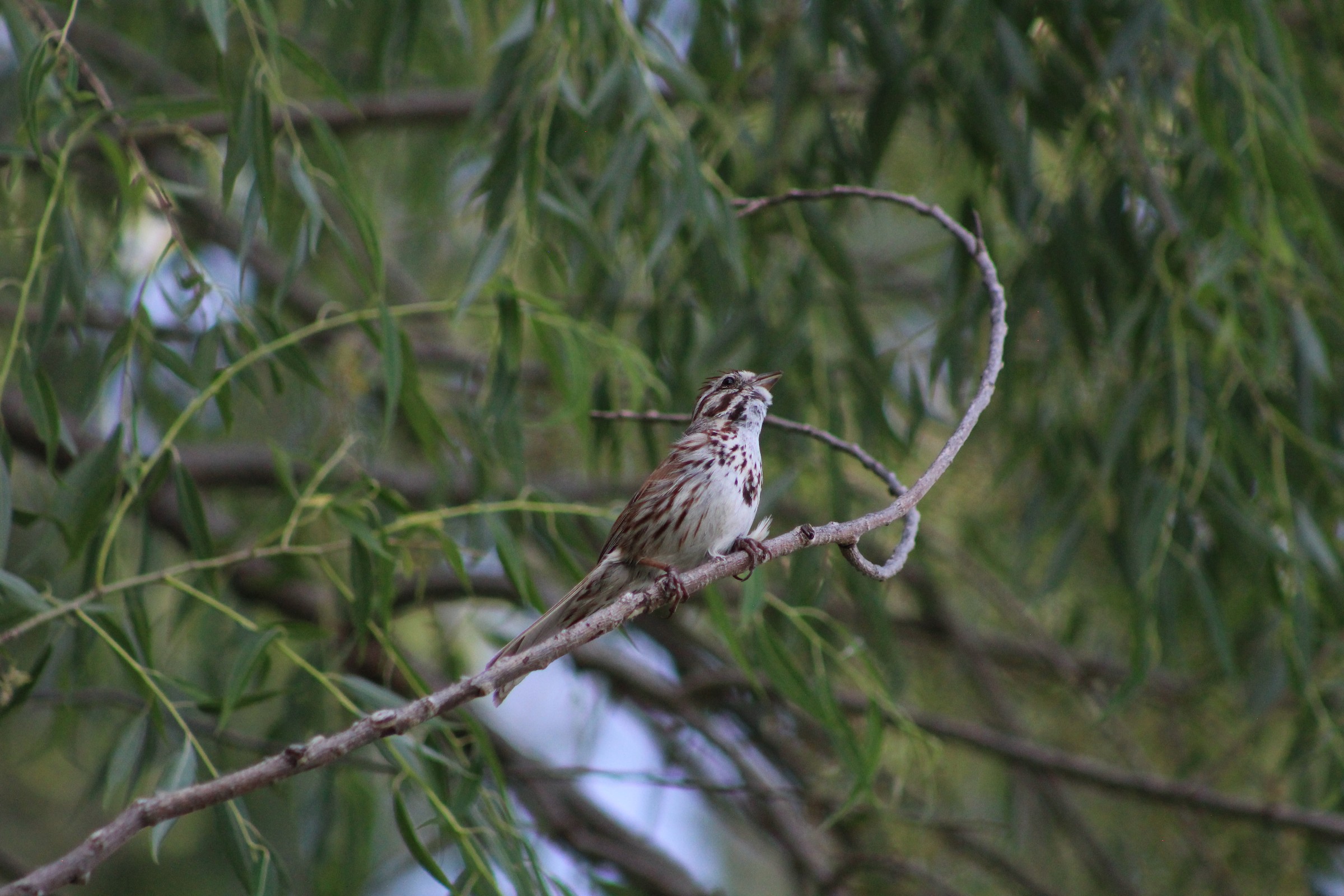
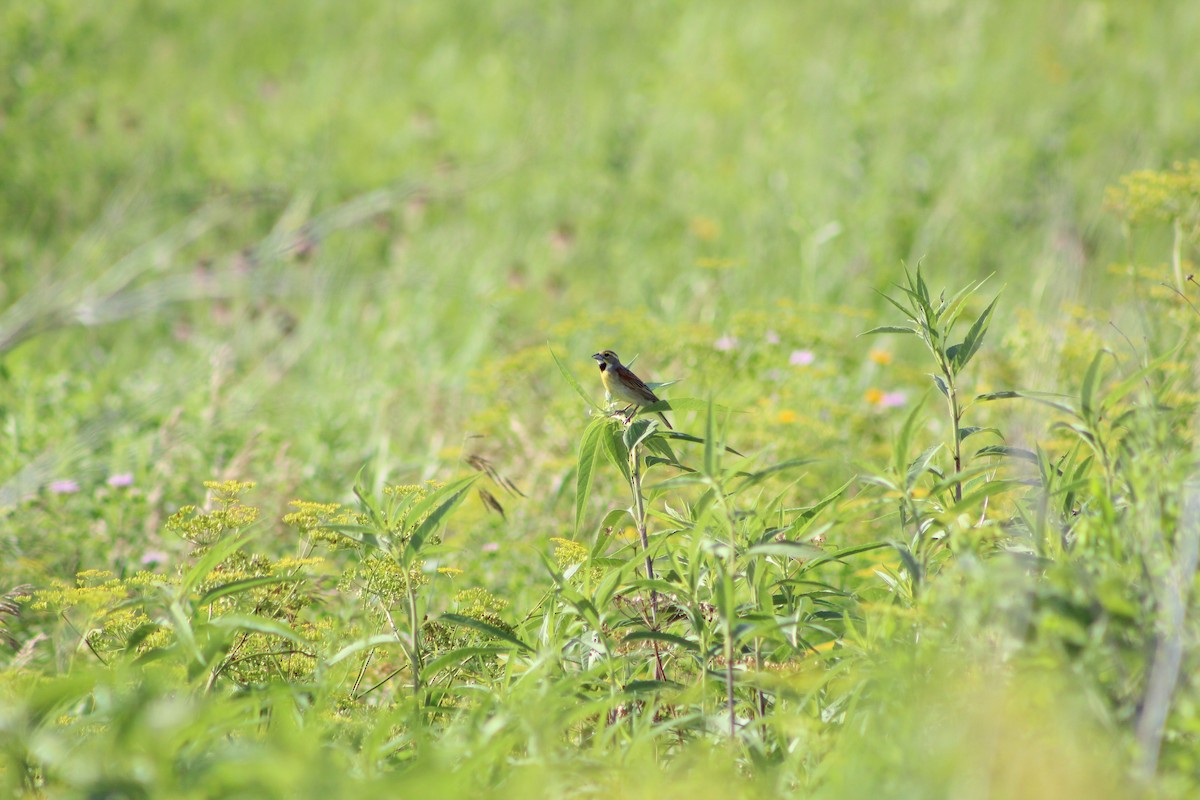
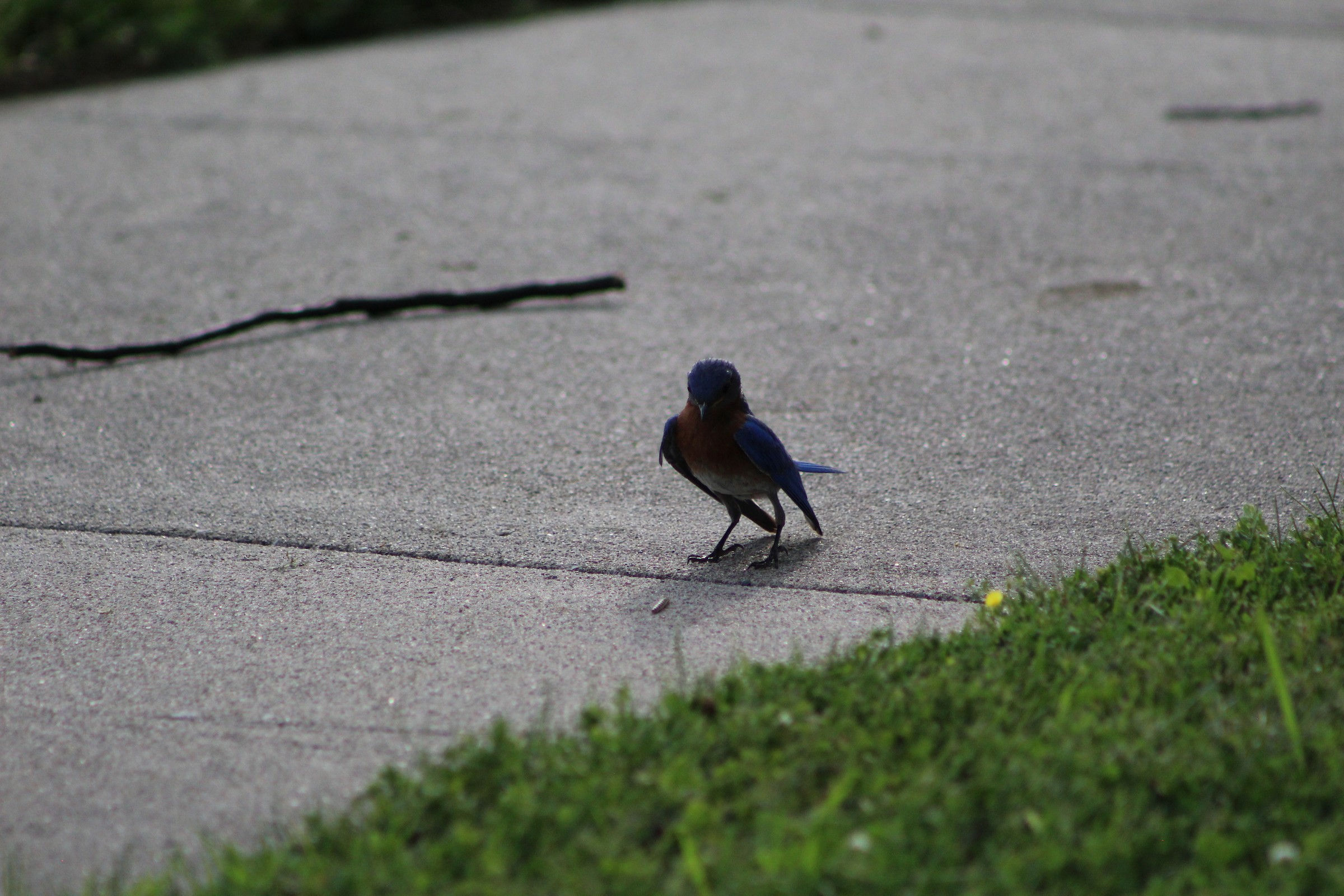
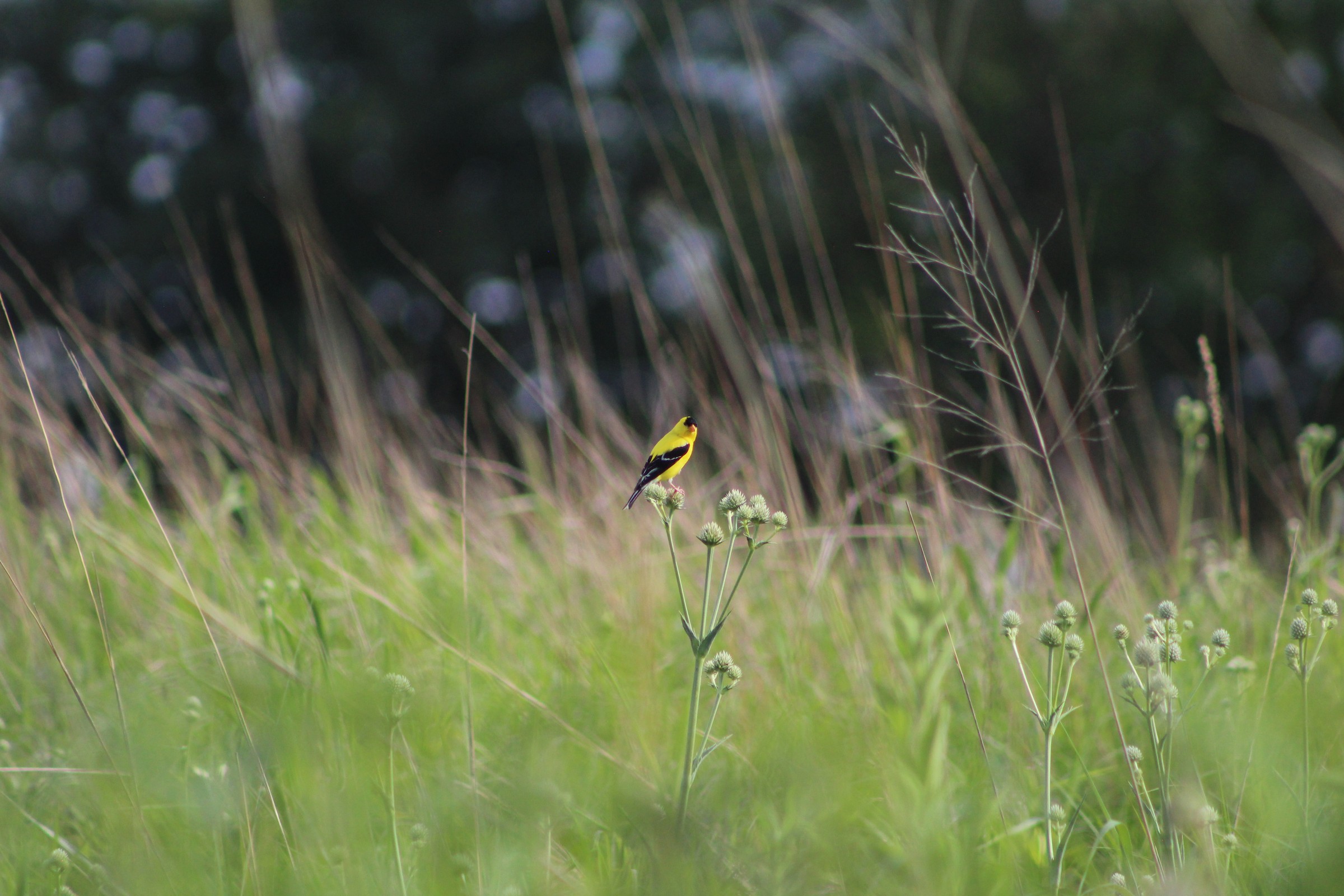
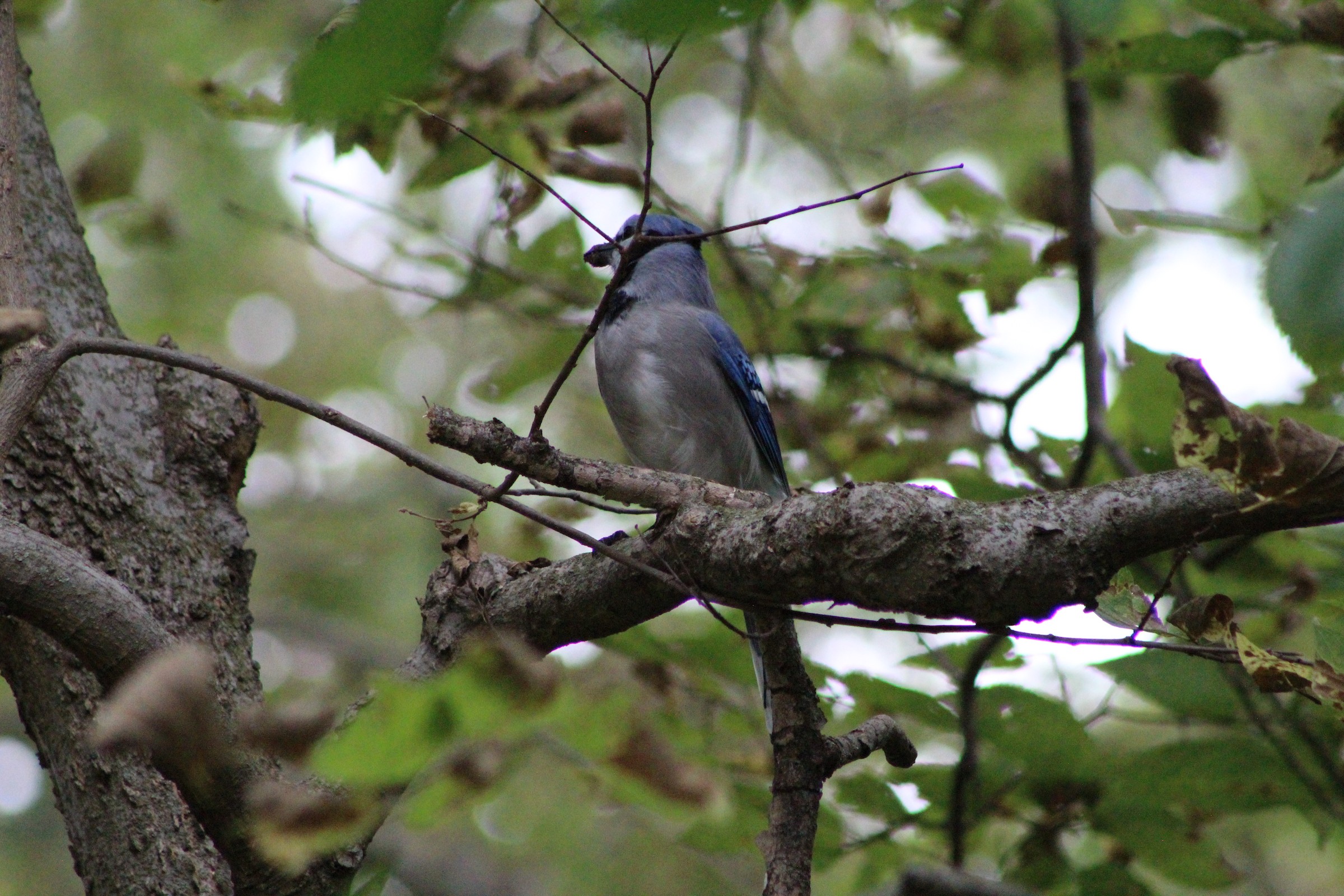
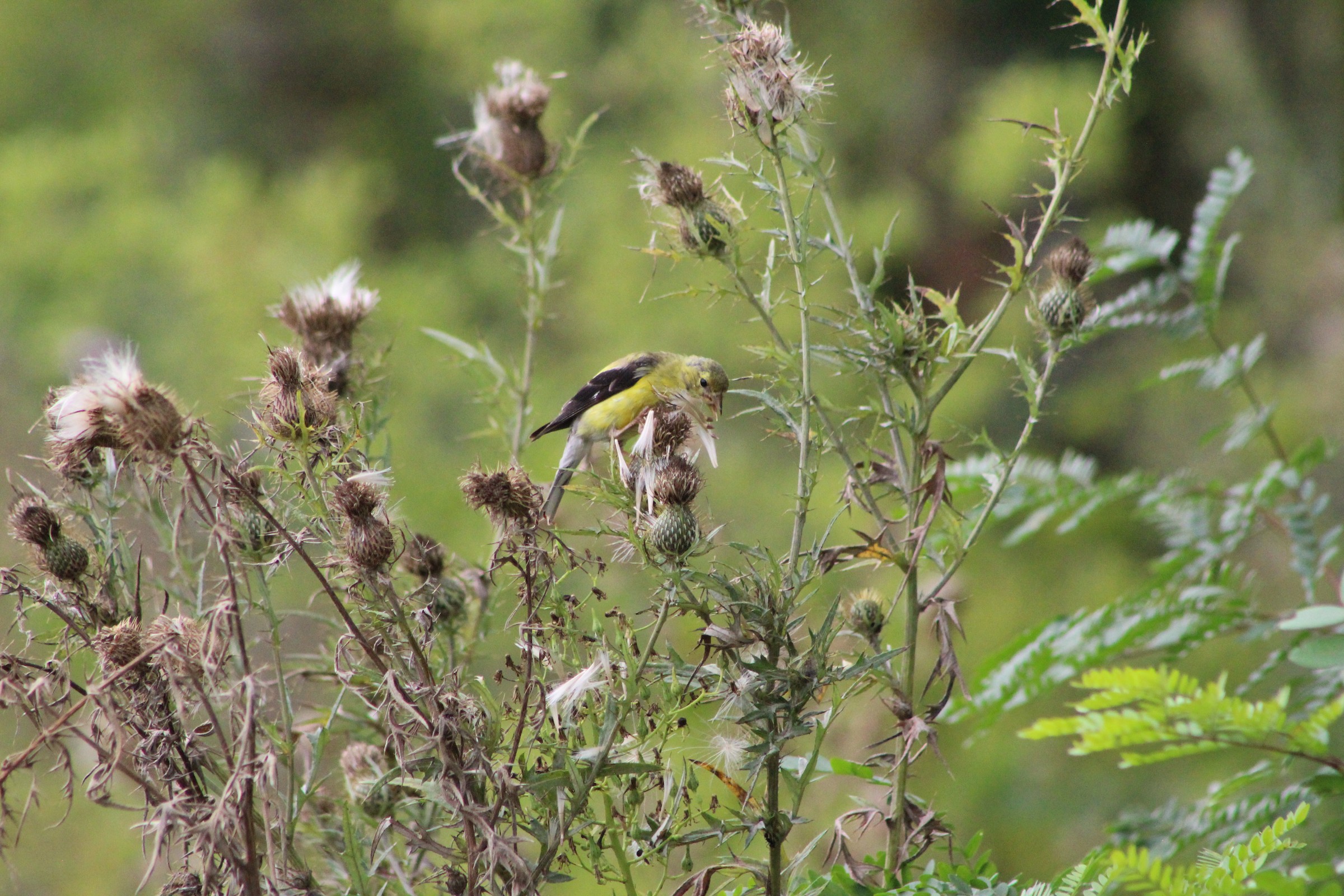
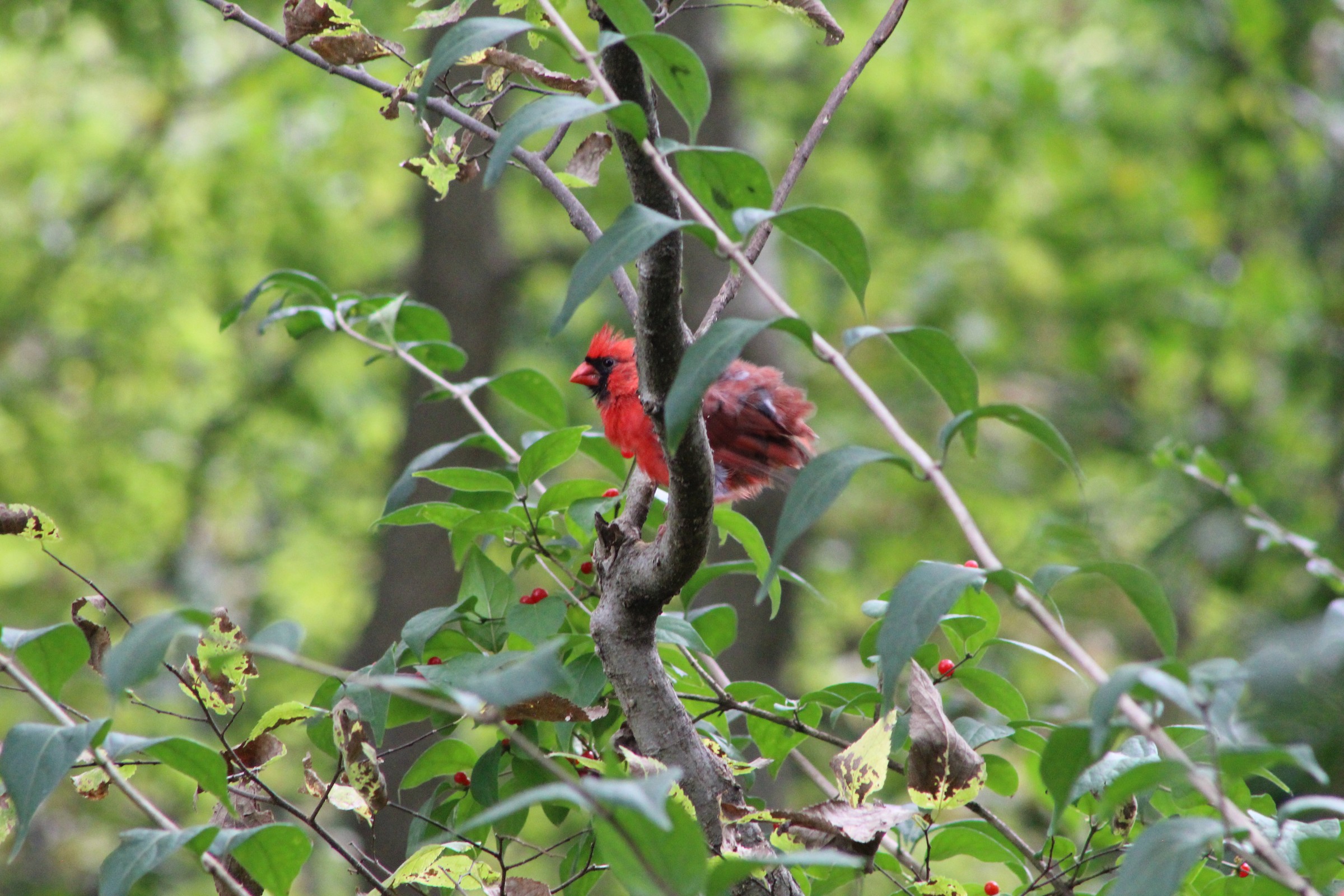
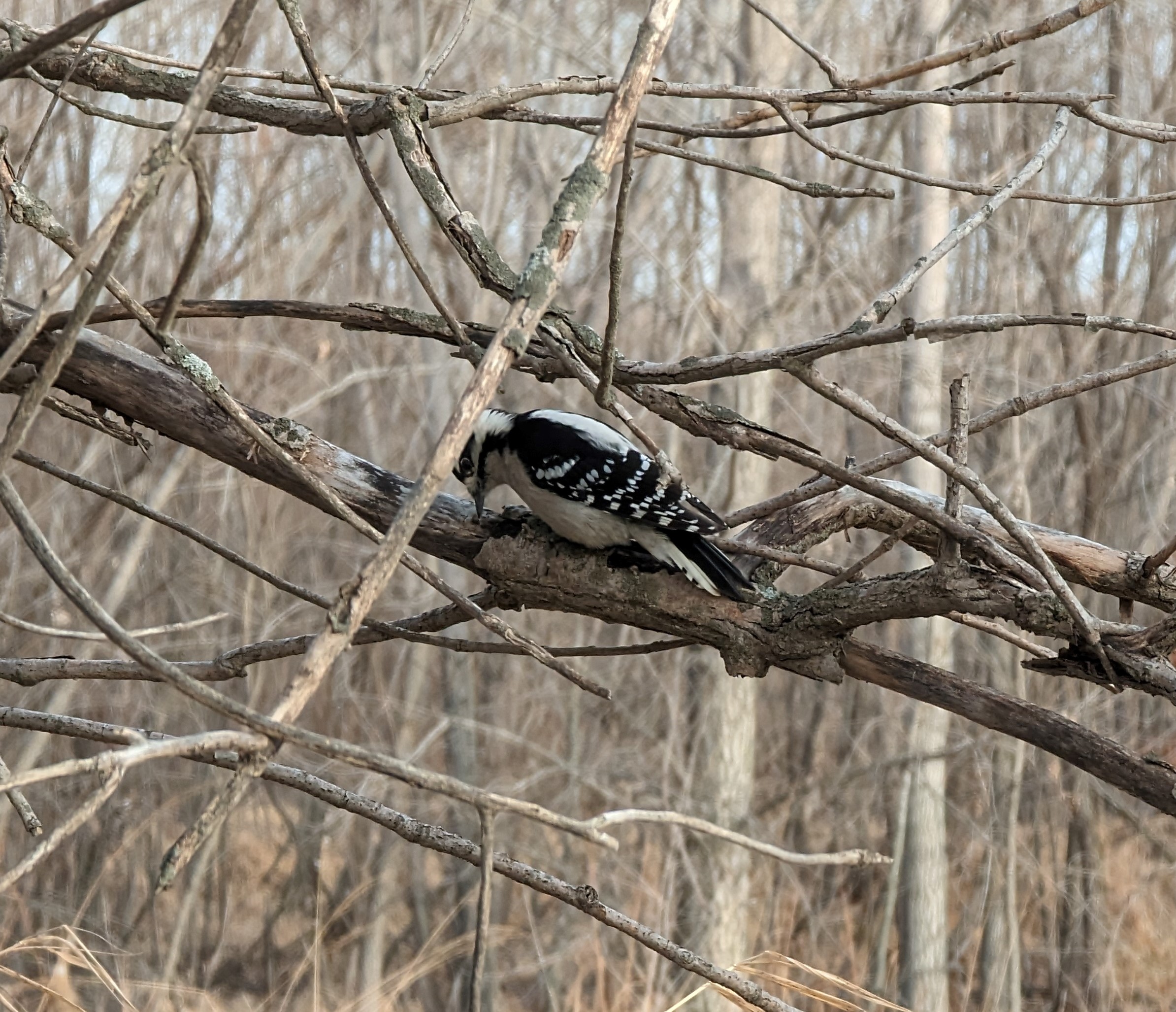
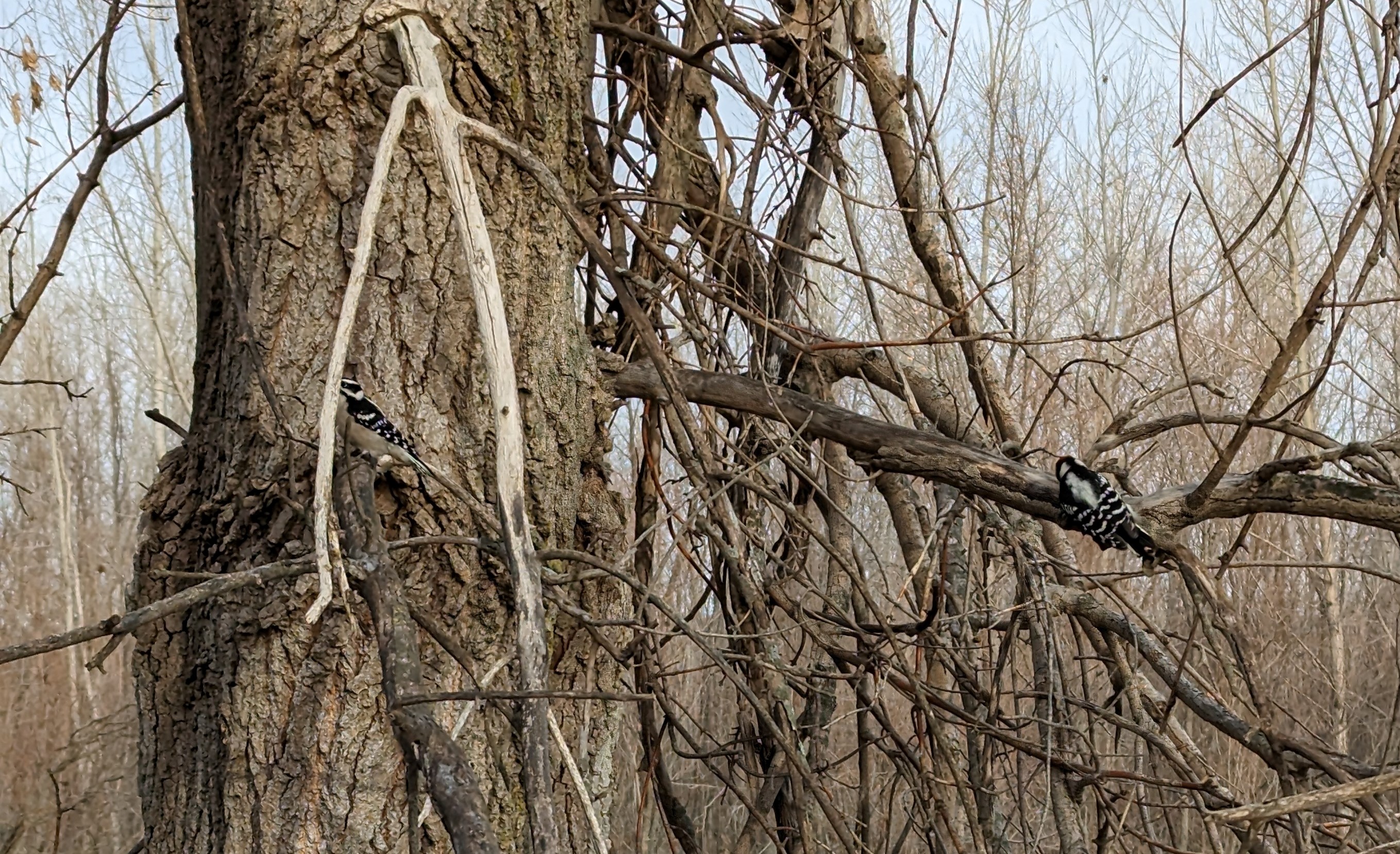
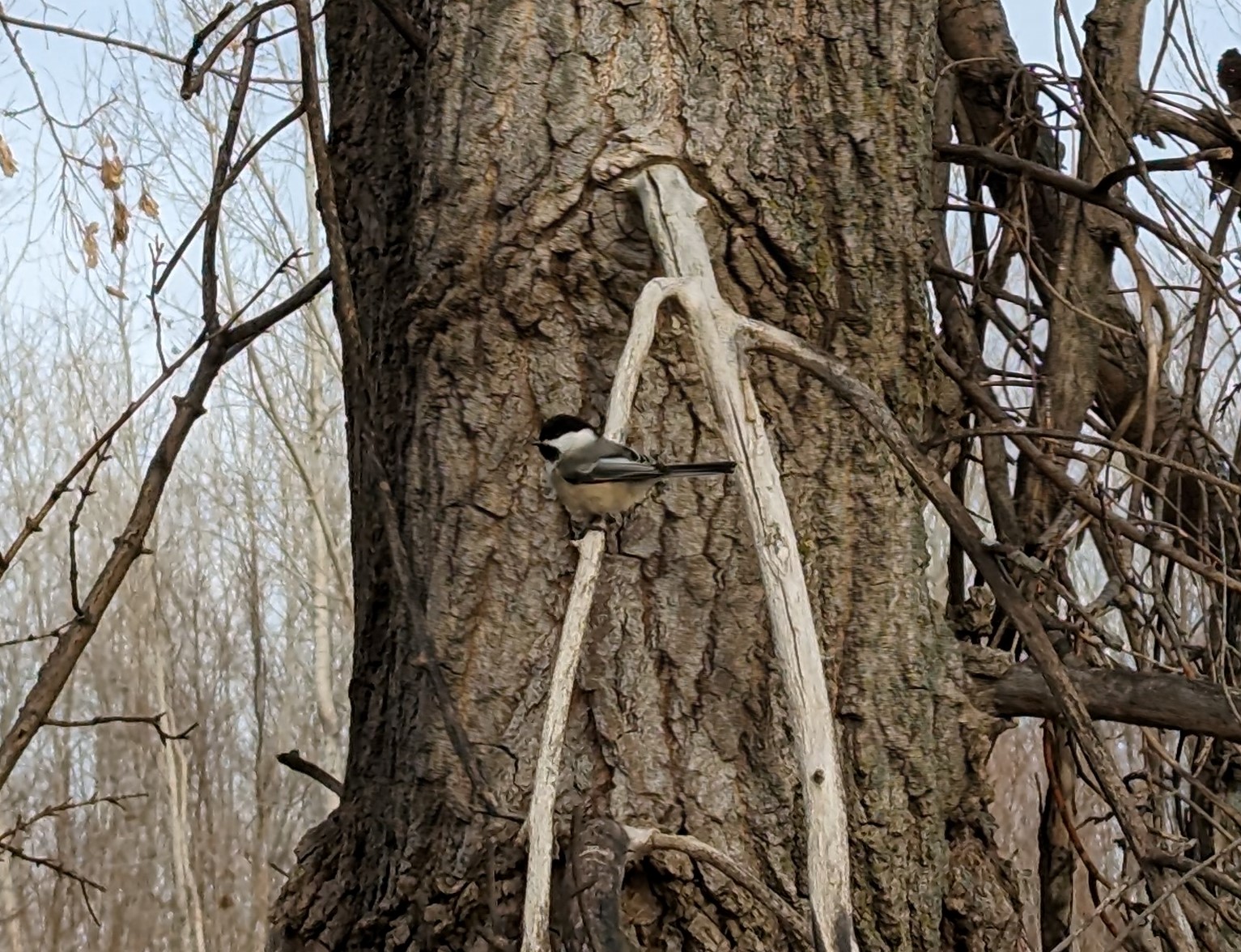
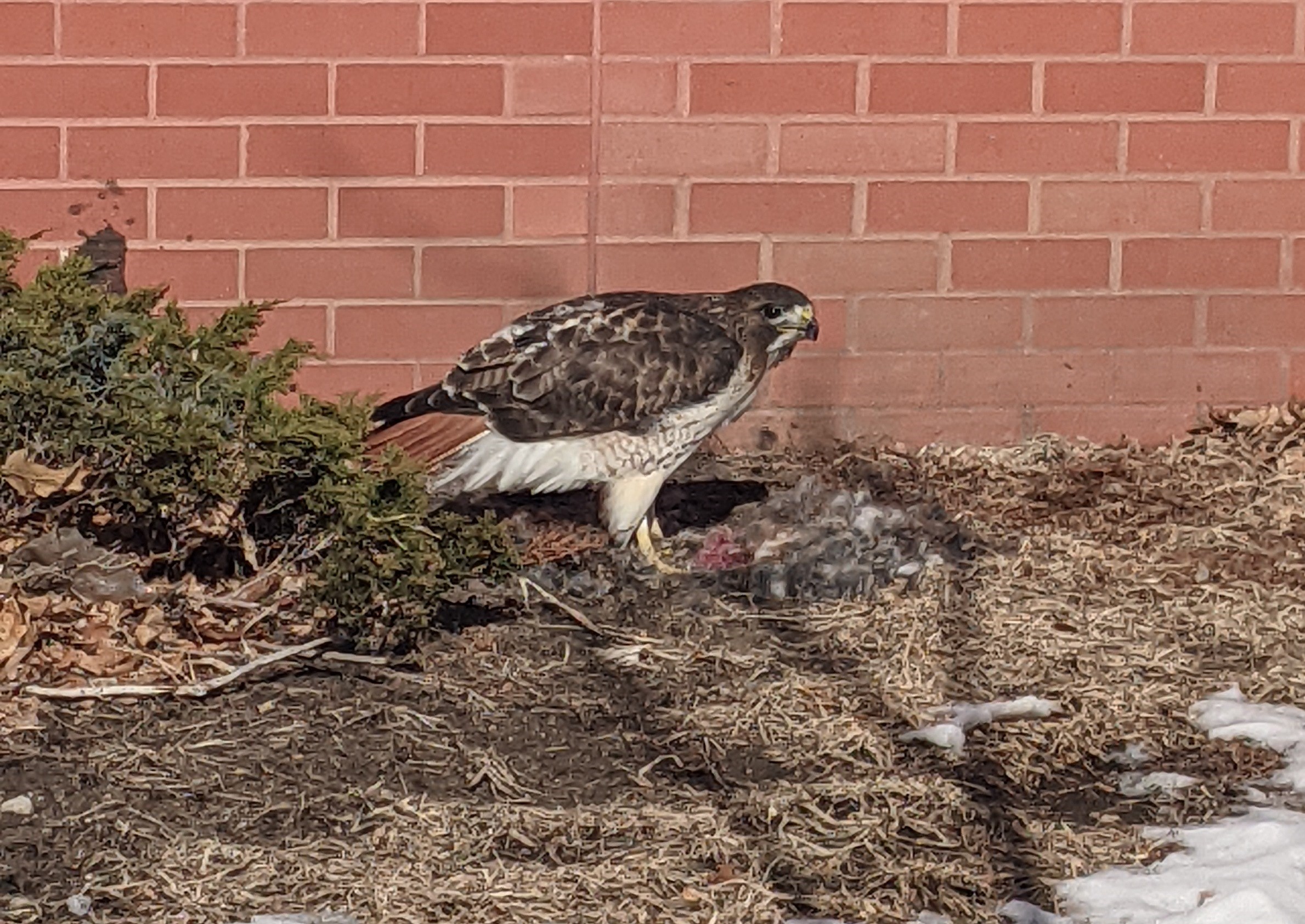
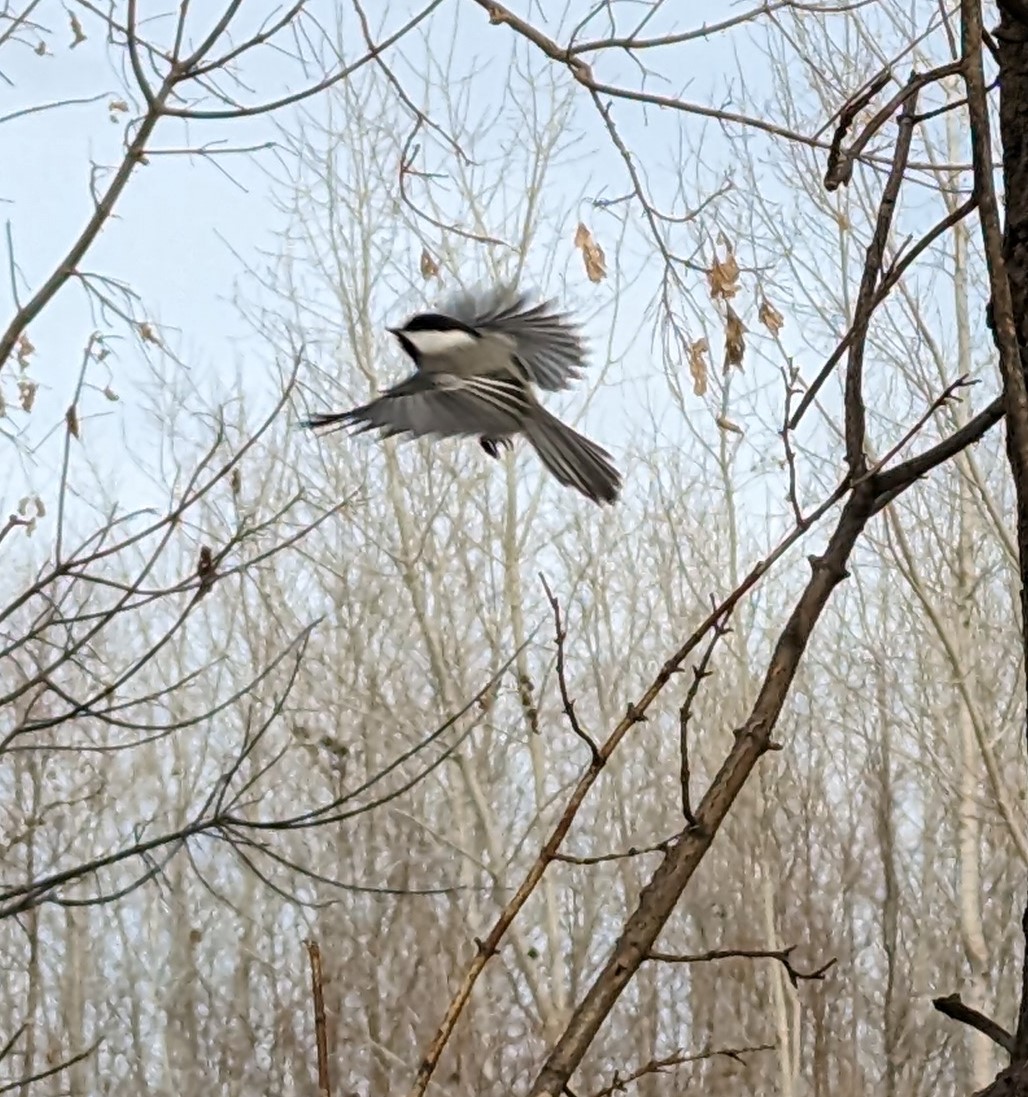
Birdwatching is one of my favorite hobbies. It is relatively easy to do, can be done anywhere you go, and is extremely theraputic. On this page, I'll recount birdwatching adventures I've been on, keeping track of what species I have spotted, and so on. I even have some bird photos to share and will share more as I take them! Here are some sample photos, if you click on them you can get a better look!
If you'd like to see my logs of birds, feel free to check out my eBird! I also have an iNaturalist, where I tend to post a majority of my photos that are not necessarily super high quality but still plenty identifiable.


Tools of the Trade:
Binoculars are not necessarily a necessity for birdwatching. However, I highly recommend getting a pair, even if it is one of your parent's old pairs. I started with using a pair from my parents and it got plenty of mileage. Additionally, when I bird with friends or my boyfriend, I have a spare pair for them. That said, you don't need binoculars to birdwatch. If you know anyone with a pair, ask them to see if you could borrow theirs! In 2025, I also bought a camera from FB marketplace for $100 to use for bird photography. With a $100 75-300mm lens off eBay, I got myself a nice setup for $200! Its a Canon EOS Rebel T5, which has been a pretty solid camera! I'm no experienced photographer, but it has been wonderful to take photos of birds! Here is a photo of my camera:

Camera with the 75-300mm lens
Soon after starting to use the 75-300mm lens, though, I learned that it is very prone to chromatic aberation, especially at the highest zoom setting (300mm, ~6x zoom). It is at this point that I learned why the lens was so cheap; it's generally agreed by canon users that it is one of the worst lenses they've ever made. So, fair warning, the lens is most useful at getting a handle of bird photography and photographing birds to confirm identification later or submit to inaturalist. If you want to pursue higher quality bird photography, then another lens will be the best option.
Ahead of my trip to Hawaii for a conference, I decided to buy a much nicer lens to use on the trip. I went with a Canon 100-400mm lens. It set me back at least $800, but I can already tell its pretty well worth it. I haven't noticed the severe chromatic aberation seen in the 75-300, even at the highest zoom. Additionally, the zoom just goes higher than in the 300mm, which is much more preferable in bird photography. I've managed to get some pretty good photos, and I look forward to using it a lot more after giving it a thorough test in Hawaii. It's migration season, perfect time to test it out! It is quite a bit heavier than the 75-300mm, making it a bit more unwieldy to use. Generally I found it was easiest to be holding onto the camera with one hand at all times to reduce the amount of weight dug into my neck by the strap. I could also rest the length of the lens and camera body along my inner forearm if I needed to shift the weight away from my neck.